
What is FP&A?
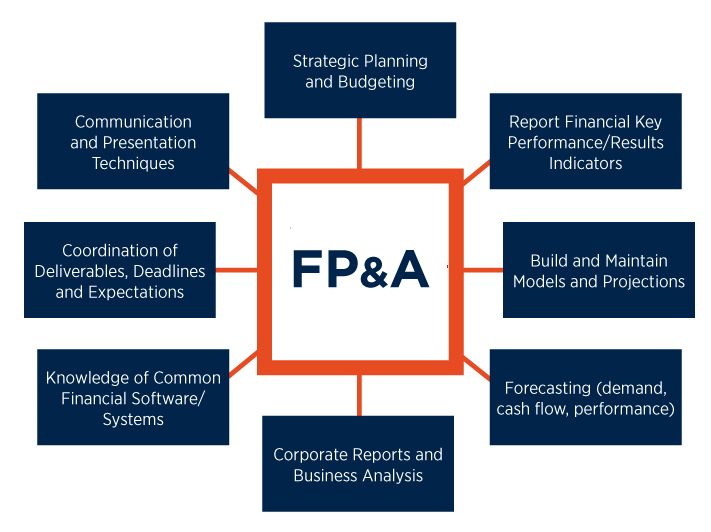
Financial planning & analysis (FP&A) drives strategic business decisions across the organization through integrated planning and forecasting, performance management and financial analysis.
You may know FP&A by different names depending on the company or location. But it always has the same goal: optimize the use of capital and resources by supporting business decisions. FP&A steers the ship as the role of the CFO changes to become a better partner to the business.
Key Functions of FP&A
Financial planning and analysis (FP&A) drives business decisions throughout the organization by bridging financial data and business strategy. In corporate FP&A, professionals typically report to the CFO and work alongside Accounting and Treasury. Unlike accounting's focus on historical record-keeping, FP&A is proactive and strategic, providing leadership with insights for forward-looking decision-making.
Integrated Planning & Forecasting
A key function of FP&A is to translate the strategic plan into a strategy that coordinates the company, can be measured, and can be checked. This includes forecasting and budgeting, for those that use budgets.
Performance Management
Companies set financial and operational goals and metrics that align with the desired outcomes. FP&A supports the company through management reporting on progress and performance on these metrics, supplemented with the additional context of “the three what’s”: what happened, what it means and what do we do next.
Financial Analysis & Modeling
FP&A delivers insight based on constructed models, data, and information. This analytical function supports strategic decisions such as evaluating investments, analyzing scenarios, and identifying opportunities for growth and cost optimization.
Continuous Business Improvement
FP&A plans its own growth to remain relevant to the changing operating models of business, data management and systems architecture, and team development.
FP&A Career Path and Growth
FP&A is a diverse role, pulling on many areas of knowledge, skills, and abilities that apply a financial lens to business and strategic planning and analysis. The field offers clear career progression with opportunities to advance from analytical roles into senior leadership positions, including CFO. Whether you're exploring how to get into FP&A or planning your next career move, understanding typical progression paths helps you chart your professional development.
Example FP&A Career Progression
Although FP&A professionals may take on a diverse range of roles, the FP&A career path typically follows this progression:
- FP&A Analyst (Entry-Level) - 0-3 years of experience. Focus on financial reporting, data analysis, building models, and supporting forecasting processes.
- Senior FP&A Analyst - 3-5 years of experience. Take ownership of specific business units or products, lead portions of the planning cycle, and provide more strategic insights.
- FP&A Manager - 5-8 years of experience. Manage a team of analysts, coordinate planning and forecasting processes, and serve as a business partner to operational leaders.
- Director/VP of FP&A - 8-12+ years of experience. Oversee the entire FP&A function, drive strategic initiatives, and advise executive leadership on major business decisions.
- CFO - Many CFOs come from FP&A backgrounds, leveraging their strategic planning and analysis expertise to lead the entire finance organization.
Career advancement timelines vary based on company size, industry, individual performance, and professional development initiatives such as earning the FPAC certification.
Example FP&A Career Path: Johan Van Zyl
Career pathing is the process individuals use to chart a course for their professional direction and development. But the pace of change in consumer markets, business organizations, and technology means there's no single "right" path into or through FP&A.
-(1).png?sfvrsn=e3e7e66b_0 "FP&A Career Path")
Johan Van Zyl's journey illustrates this diversity. He progressed from Data Analyst to Corporate FP&A, then moved into Commercial Finance Director before taking on a Supply Chain leadership role. He later returned to FP&A as Head of FP&A Center of Excellence before advancing to Regional CFO. His path demonstrates how FP&A professionals can leverage cross-functional experience and strategic finance skills to reach senior leadership positions.
View more FP&A success stories to see how other professionals navigated their career paths and advanced in financial planning and analysis.
Download the
FP&A Handbook and dive deep into all things Financial Planning and Analysis including:
- Defining FP&A
- Day in the Life
- Characteristics of Leaders
- Career Paths
Advancing the FP&A Role: FPAC Certification
For FP&A professionals looking to advance their careers, earning the FPAC certification demonstrates expertise and commitment to excellence in financial planning and analysis. The FPAC credential validates the skills that matter most in corporate FP&A and sets you apart in a competitive job market.
What is FPAC?
The Certified Corporate FP&A Professional (FPAC) is the premier certification for financial planning and analysis professionals. Established by AFP, FPAC validates expertise in financial modeling, forecasting, budgeting, performance management, and business partnering through a rigorous two-part exam and experience requirements.
Benefits of FP&A Certification
FPAC certification provides tangible career advantages. The credential enhances credibility with employers, expands career opportunities, and typically leads to higher salaries and faster career progression. Beyond compensation, the FPAC process provides structured learning of essential FP&A skills and connects you with a global network of finance professionals.
Download the FPAC Brochure to learn more about exam requirements and career impact.
Financial Planning & Analysis FAQs
Common questions about the FP&A profession, careers, skills, and certification.
What does an FP&A analyst do?
An FP&A analyst manages a company's budgeting and forecasting processes and analyzes financial performance to support decision-making. They prepare reports and financial models to help management make informed strategic decisions about the business.
How do I get into financial planning and analysis?
You can start a career in FP&A by building a strong foundation in finance or accounting and honing your analytical skills. Many professionals begin in entry-level roles like financial analyst or accountant, then transition into FP&A. Earning a specialized FP&A certification (like the FPAC) can also help boost your credentials and career prospects.
Is FP&A a good career path?
Yes, FP&A is a promising career path for those interested in finance and strategic planning. FP&A professionals are in demand because they provide insights that drive business decisions and growth. Skilled FP&A practitioners often enjoy competitive salaries and opportunities to advance into senior finance roles (even up to CFO level).
What skills are needed for FP&A?
FP&A roles require strong analytical and financial modeling skills, along with a solid grasp of financial statements, budgeting, and forecasting. Good communication is also important, as FP&A professionals must present financial insights to company leadership and collaborate with other departments. Proficiency with spreadsheets (Excel) or financial planning software is commonly expected as well.
Is there a certification for FP&A?
Yes, FP&A professionals can pursue a dedicated certification, the Certified Corporate FP&A Professional (FPAC). This credential, offered by the Association for Financial Professionals (AFP), validates expertise in financial planning and analysis. While not required to work in FP&A, earning it can enhance your credibility and expand your career opportunities in the field.
What does FP&A stand for?
FP&A stands for Financial Planning & Analysis. It's the finance function responsible for a company's budgeting, forecasting, and providing financial insights to guide strategic business decisions.
How does the FP&A role differ from accounting?
FP&A is related, but different than accounting. Accounting focuses on recording and reporting past financial transactions, while FP&A is forward-looking, centered on planning, budgeting, and analysis to inform future business decisions.